Photo by Daniele Venturelli/Getty Images for Italian Global Series Festival
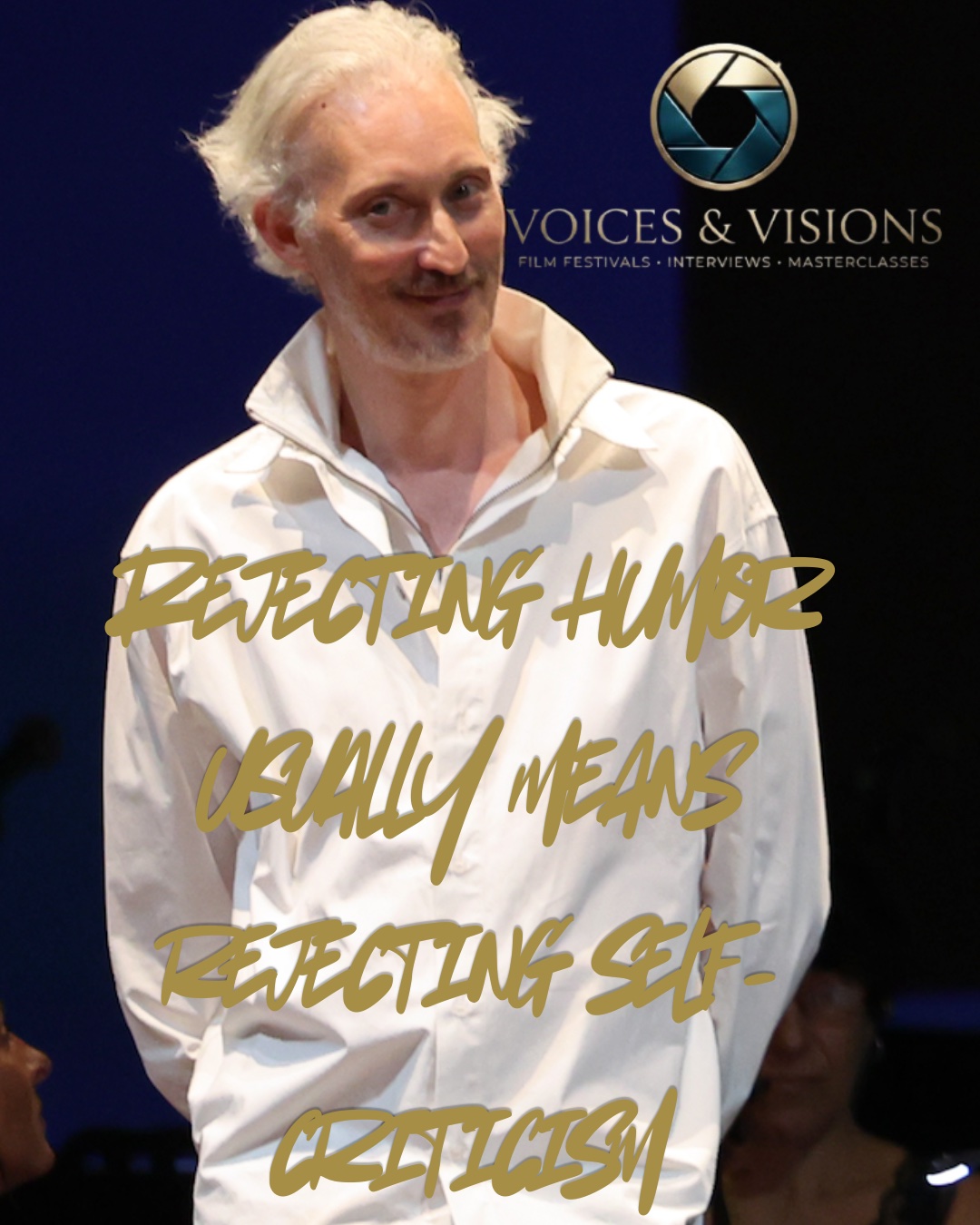
Rejecting humor usually means rejecting self-criticism
He is best known for his role as Luc in Emily in Paris, but Bruno Gouery is first and foremost a theater actor who cut his teeth on Molière and the great classical comedic roles before making the leap to international film sets. In this interview, conducted at the IGS Festival, the actor talks about humanity, artificial intelligence, what social media does to the truth, and what a performer learns when they stop judging their characters.
You work in multiple languages (French, Italian, English) and often slip into nationalities that aren’t your own. Does that change the personality you bring to a character?
Obviously, language changes your perception and the way you act. The unique thing about my career right now is that I’m very often cast as French roles in US shows, Italian roles in US or French shows, or American roles in French shows. I even played Leonardo da Vinci in a French series where I had to put on an Italian accent. So, every single time, I have to adapt how I embody the character to fit their speech and background.
In doing that, I discovered something: when I speak English, since I’m not completely bilingual, I miss certain nuances, and I’m not forcing an accent I don’t naturally have. That gives me a distinct edge that often adds an incredible amount of authenticity, because nothing feels forced or put-on.
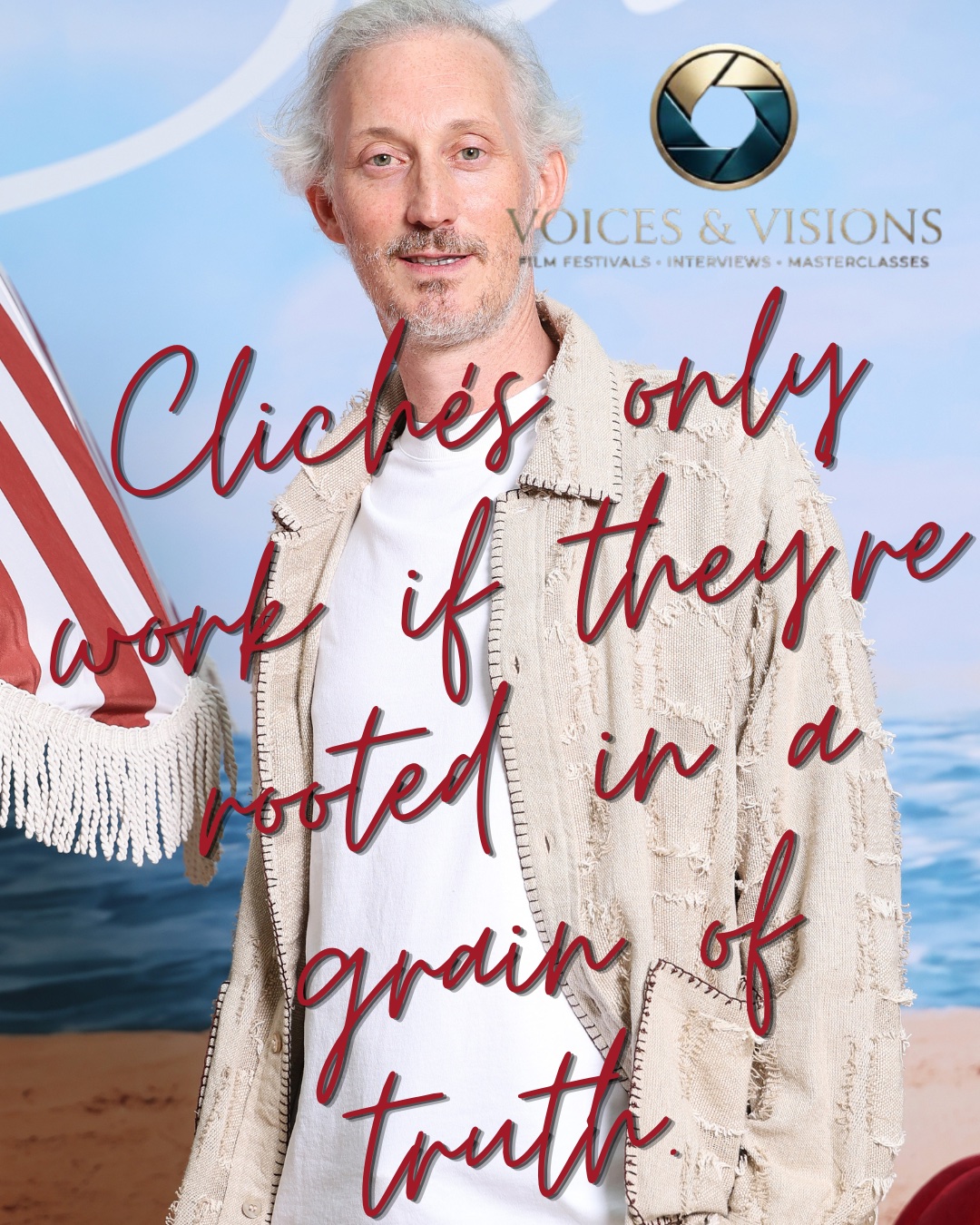
Photo by Daniele Venturelli/Getty Images for Italian Global Series Festival
Working across Europe, do you feel like there’s a shared culture or common sense of humor that connects us?
We have tons of differences between the French, Italians, Germans, and Spaniards, but I like to think that the major currents of art, music, literature, and cinema unite us. And what Emily in Paris showed me is that humor has an even broader purpose: it can touch people and make them laugh all over the world, from Australia to Japan, from Saudi Arabia to Argentina.
As for the clichés about France featured in the show, they only work if they’re rooted in a grain of truth. The French dismiss them as stereotypes, but the rest of the world sees us that way. These clichés aren’t just criticisms; they also celebrate a certain joie de vivre and a less work-obsessed attitude than what you find in the US. I love playing with that.
You often play characters defined by humor, a humor that can unite people, but also exclude them. Where do you personally draw the line between satire and respect?
That’s a tricky question because it appeals to everyone’s individual openness and tolerance, and we don’t all share the same threshold. For some people, humor is like a foreign language. Me, on the other hand, I love satire. I love Molière, I love Commedia all’italiana, I love Don Quixote. There’s a Latin phrase: castigat ridendo mores (to chastise morals through laughter). It’s essential to accept mockery and satire because it allows us to grow and evolve.
In general, rejecting humor or feeling offended amounts to a rejection of progress and a refusal to engage in self-criticism. Besides, we all have our own taboos, and they don’t overlap: for some it’s family, for others religion, and for many more, politics.
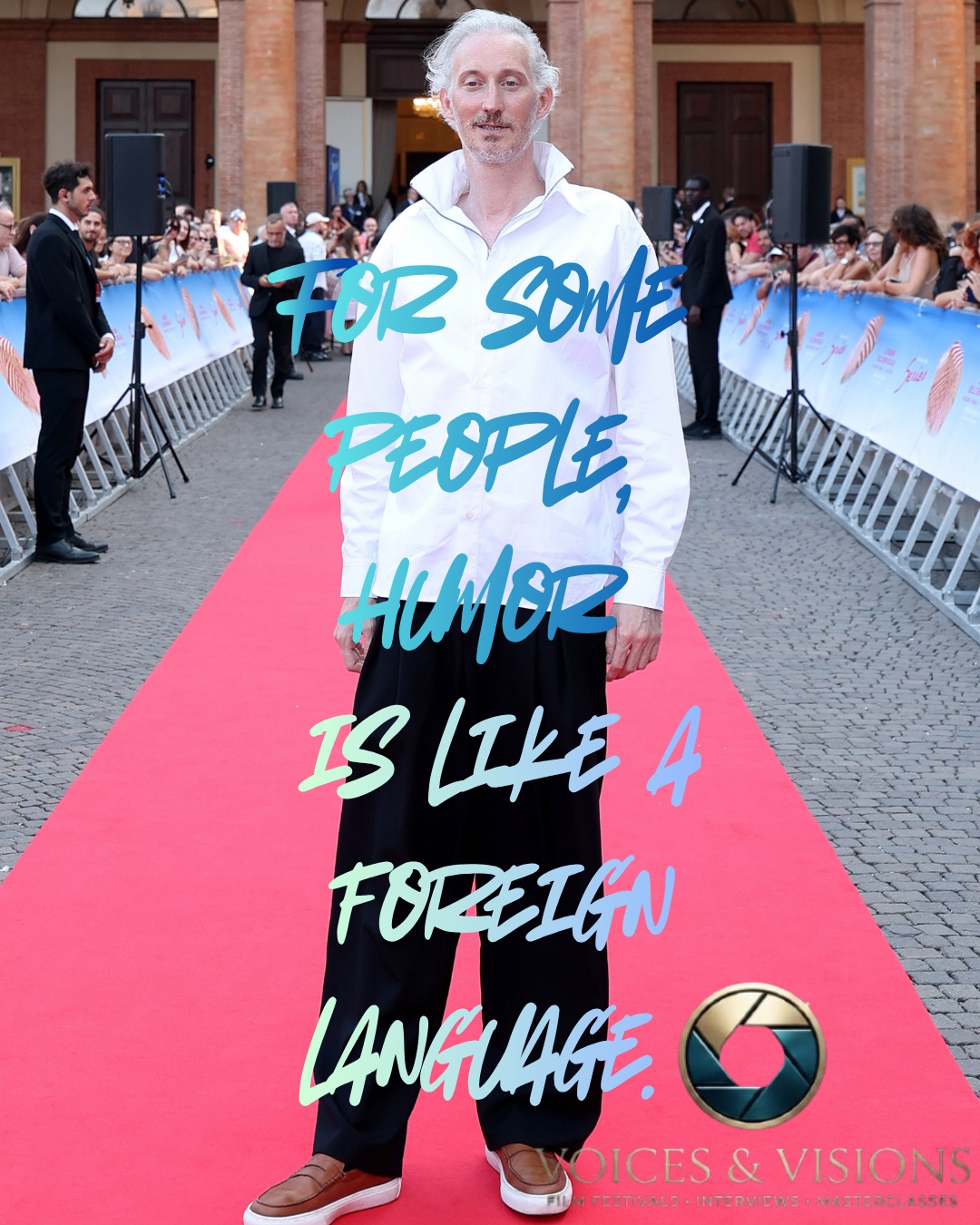
Photo by Daniele Venturelli/Getty Images for Italian Global Series Festival
You mentioned that you particularly value empathy. Is that a trait that’s undervalued in today’s society?
Oh yes, absolutely: empathy and goodwill. I had a mentor, a great stage director and celebrated French actor named Michel Galabru, who was the most empathetic and tolerant person I’ve ever met in my life. His attitude taught us that when preparing a role, you must never judge a character from a moral standpoint. You have to step into their shoes and defend them.
And when you put yourself in the shoes of such diverse characters, your mind opens up and you see the world through different eyes. That’s why theater actors who have tackled roles by Molière or Shakespeare, misers, hypochondriacs, jealous lovers, usually develop this ability: you understand them from the inside out. For an actor, that is of the utmost importance.
This is also what makes it possible to give a comedic character vulnerability. People often hide their flaws out of fear of looking ridiculous. Guys like Luc are full of imperfections, but by being willing to show them, they become endearing in their fragility, and that’s precisely what makes the audience take them to heart.
Do you think art has a responsibility to take a stand on major social issues, or is it allowed to limit itself to entertaining?
I think my job is primarily to entertain, and to do it right. I’d love to believe we can change society and morals, but I’m well aware that’s only granted to a very few. I’ll mention Molière often in this conversation, but there are countless things he denounced that haven’t changed, because while human beings evolve, at our core we remain very similar.
That’s why classics exist: timeless works that portray human weaknesses just as accurately in the 17th century as they will in the 22nd. I don’t think art has any other purpose than entertainment. But when I talk about entertainment, it can be as profound as daydreaming, emancipation, or deeply personal questions. The problem starts the moment art gets politicized.
Which development in our society worries you the most today?
To be honest, artificial intelligence worries me quite a bit. On one hand, it has amazing sides, but it unnerves me. I acknowledge that it’s a revolutionary and brilliant advancement, I say that because it’s impressive what it’s capable of. And for my profession as an actor, it poses a real threat. I’d like to believe it will always lack that spark of true creativity and innovation, but it still worries me.
I think people are increasingly delegating their brains to a machine and will make less and less effort to think for themselves. What’s going to happen to a society that, over three or four generations, stops exercising its mind entirely from childhood onward?
Do you feel the pressure to completely lay bare your life on social media?
Yes, social media puts a lot of pressure on you. If you take it too literally, supposedly showing who you are and feeling like you have to prove everything, you’re entering very dangerous territory. Despite everything, you have to know how to keep some distance from your own public image. Nowadays, everything is taken at face value, as if it were the absolute truth. It isn’t like that, nor should it be. The truth should be reserved for the circle of people you love and who genuinely share your everyday life. You can’t just give yourself over to everyone like that; it’s dangerous.
One last question: what role has failure played in your career?
Failure forces us to become stronger. Complacency can be an enormous danger. The essence of work is instilling in people the idea that you only become somebody through effort, in every single discipline. In the theater, you can’t play a text if you haven’t learned it. That requires study, physical technique, and voice placement. You improve by stumbling over hurdles.
Sports also taught me this culture of effort: I played a lot of soccer and realized you can have fantastic technique, but if you don’t run and invest hours into training, you’ll never be a good soccer player. And that exact effort is what artificial intelligence wants to pull the rug out from under. It robs us of the necessity to struggle, and effort is indispensable.
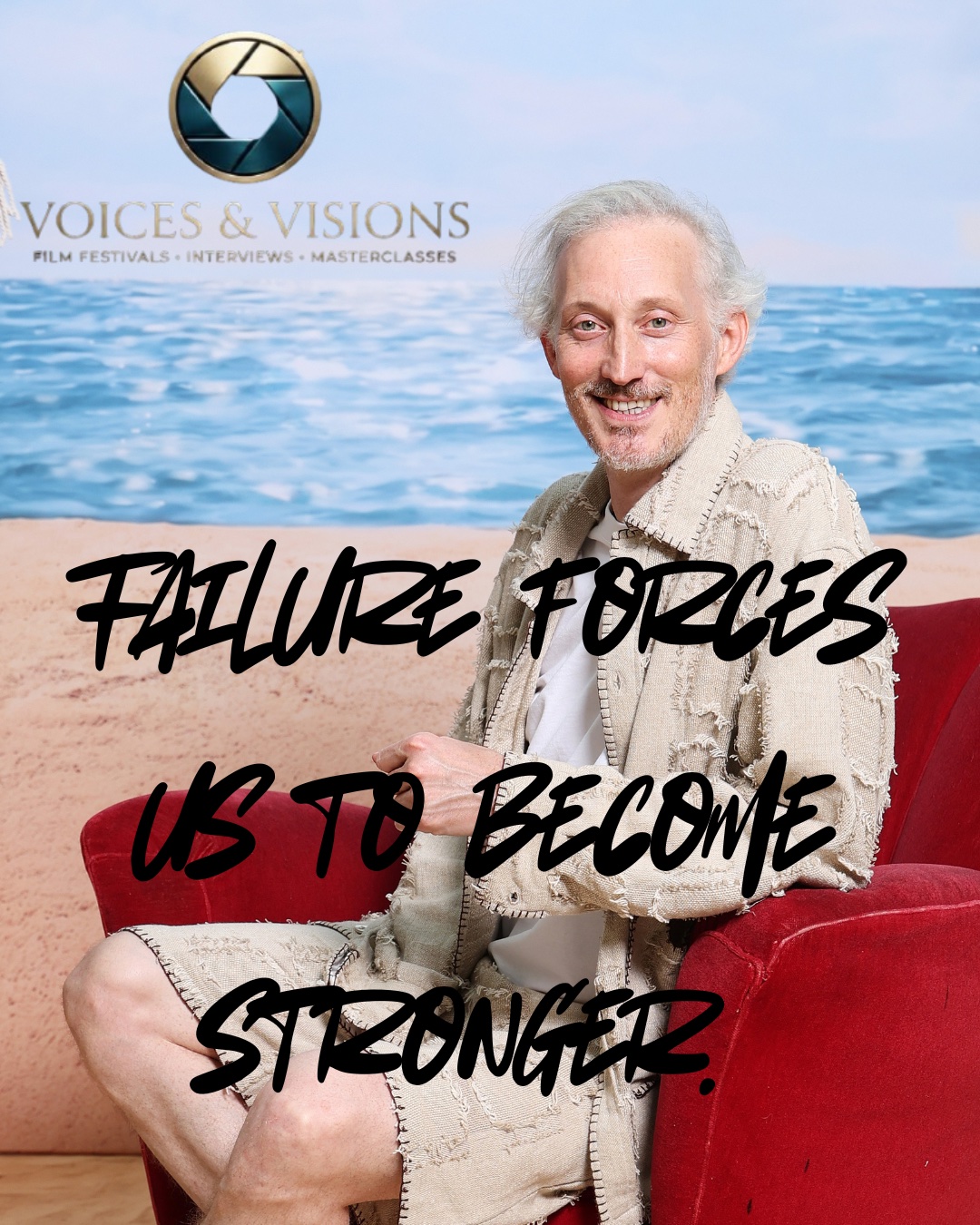
Photo by Daniele Venturelli/Getty Images for Italian Global Series Festival
#BrunoGouery #Italianglobalseries #EmilyinParis #TheWhiteLotus #Netflix #Interview #ArtAndEducation #CreativeFreedom #Accents #FilmFestival #LianeStröbel #Voices&Vision
Bruno Gouery, Interview, IGS Festival, Emily in Paris, The White Lotus, Netflix, Acting Technique, Art and Education, Creative Freedom, Film Festival, Interview, Liane Ströbel, Voices&Visions
More dropping soon! Follow on IG so you don’t miss it!