
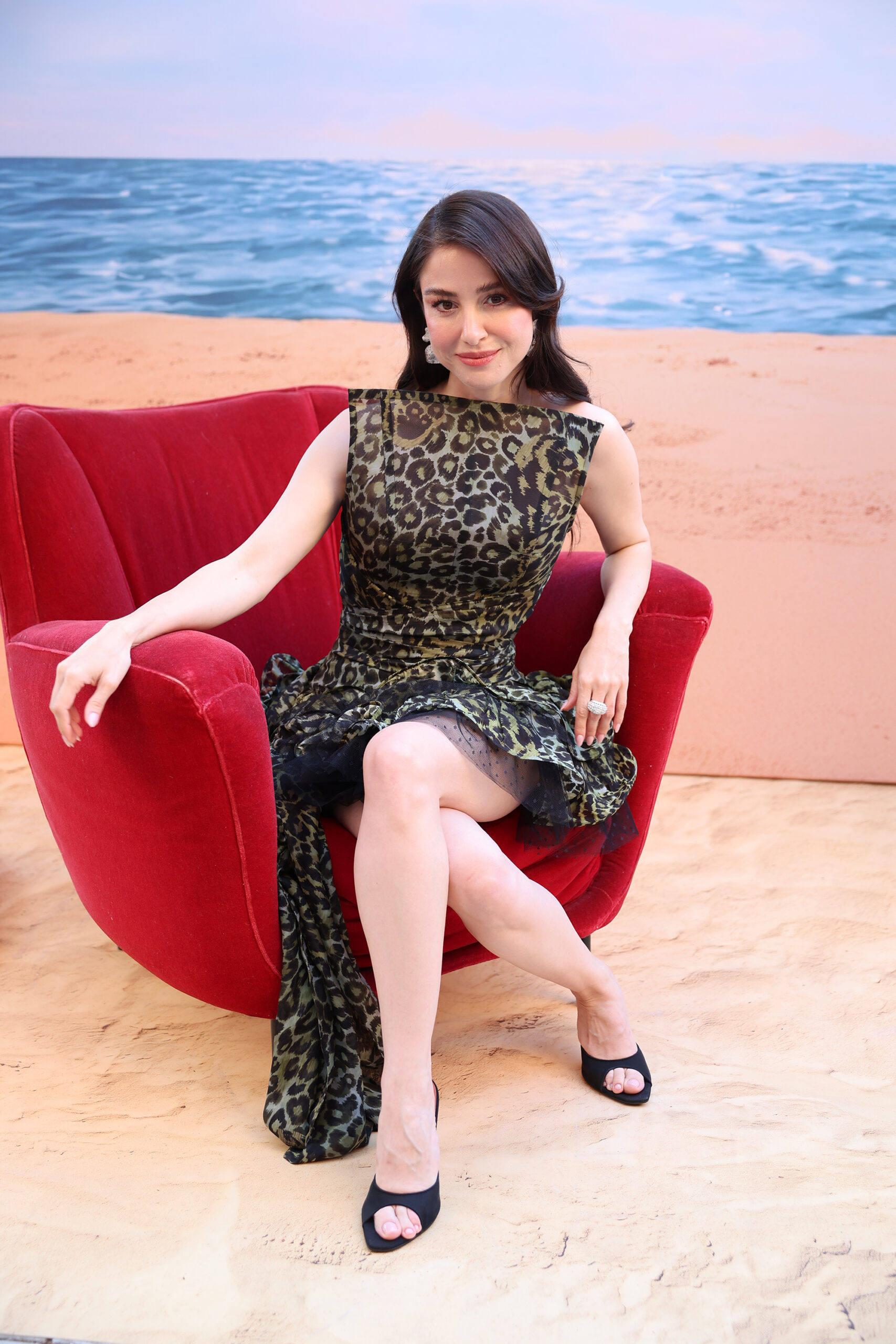
Why the World Needs Turkish Family Dramas Now
Speaking at the 2026 IGS Festival in Rimini, Özge Gürel and Serkan Çayoğlu discuss the phenomenon of an international blockbuster hit that no one saw coming.
Turkish television series, known as “dizis,” are now broadcast everywhere from Latin America and the Balkans to the Middle East. Millions of people watch them religiously, often without understanding the original language.
Özge recalls how long it took the team itself to grasp the true scale of their success: “We didn’t realize how popular we already were because we were constantly on set.” It wasn’t until public appearances, a breakfast suddenly interrupted by photographers, or an invitation to an Italian television show that the sheer magnitude of the phenomenon became visible.

The Anatomy of a Global Phenomenon
“These series give us back the exact kind of closeness we crave,” explains Özge, referring explicitly not just to romantic love, but equally to passionate family bonds, friendships, and shared plans for the future. At a time when social contact is increasingly mediated through screens, stories about “lovable and completely ordinary people” clearly tap into a longing that algorithms cannot satisfy.
The more fragmented and accelerated our daily lives become, the greater the appeal of narratives that promise the exact opposite: committed relationships, enduring time, and a genuine sense of belonging. Serkan describes the phenomenon as something that “feels timeless” in a world that “is forced to adapt to faster and faster trends.” The contradiction is telling: in arguably the fastest-paced media landscape in history, formats that deliberately focus on deceleration are booming.
Language itself plays a secondary role in this. Rather, it is the conflicts, family dynamics, and shared values that unite people across cultural borders. Themes of family, honor, hospitality, and emotionality bridge geographical distances, regardless of the technical medium (dubbing or subtitles) used for the translation in each country.
What if the lines between reality and fiction blur?
However, this new, often transnational fan base also has a downside, which is mentioned casually yet clearly during the conversation: the constant surveillance of social media.
Özge recounts with amusement, but also a certain unease, that she receives negative comments if she doesn’t immediately “like” one of Serkan’s Instagram posts, even though the two of them are usually sitting together on the sofa in those moments and have better things to do.
It’s a small detail that reveals a larger pattern: parasocial relationships are no longer passive. Audiences no longer just want to watch; they want to help shape things, control them, and make demands.
The closeness promised by the series is increasingly demanded by fans from the real people behind them as well, ironically, from a couple who live out that very closeness in real life.
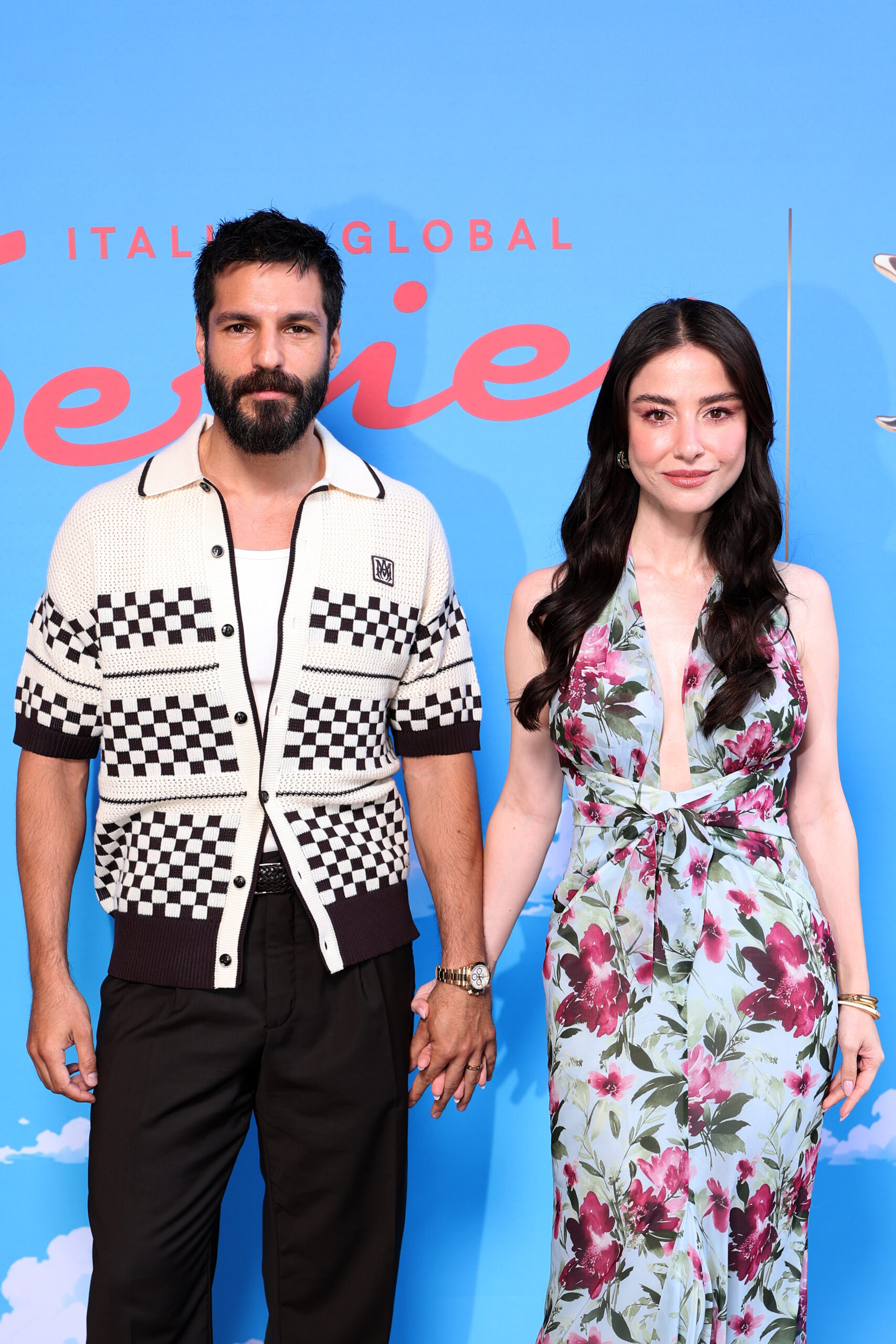
The rise of Turkish dramas: why millions are craving emotional deceleration, and how social media is blurring the lines between fiction and reality.
#TurkishDramas #ÖzgeGürel #SerkanÇayoğlu #Dizis #IGSFestival
More dropping soon! Follow on IG so you don’t miss it!