
The DNA of Utopia
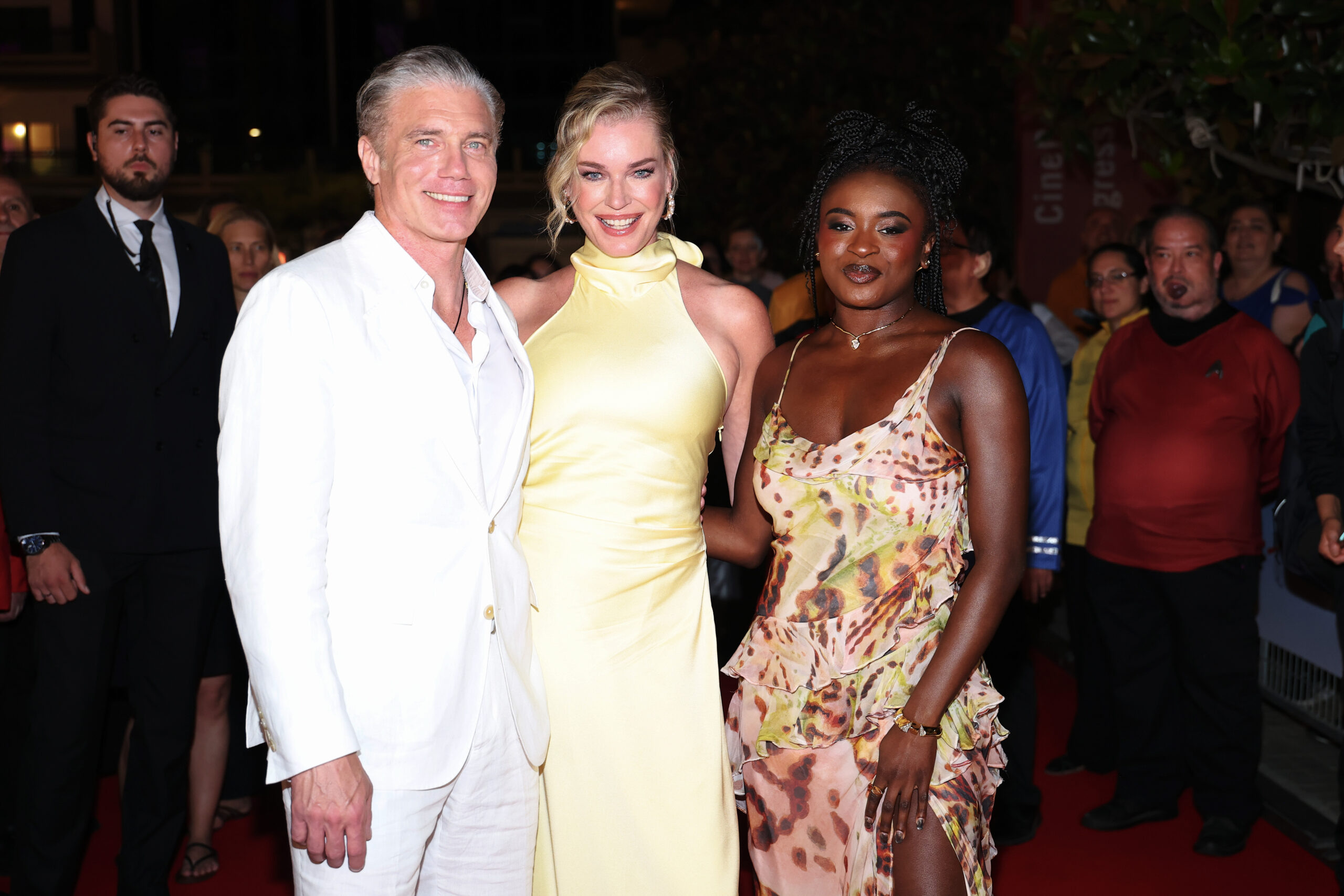
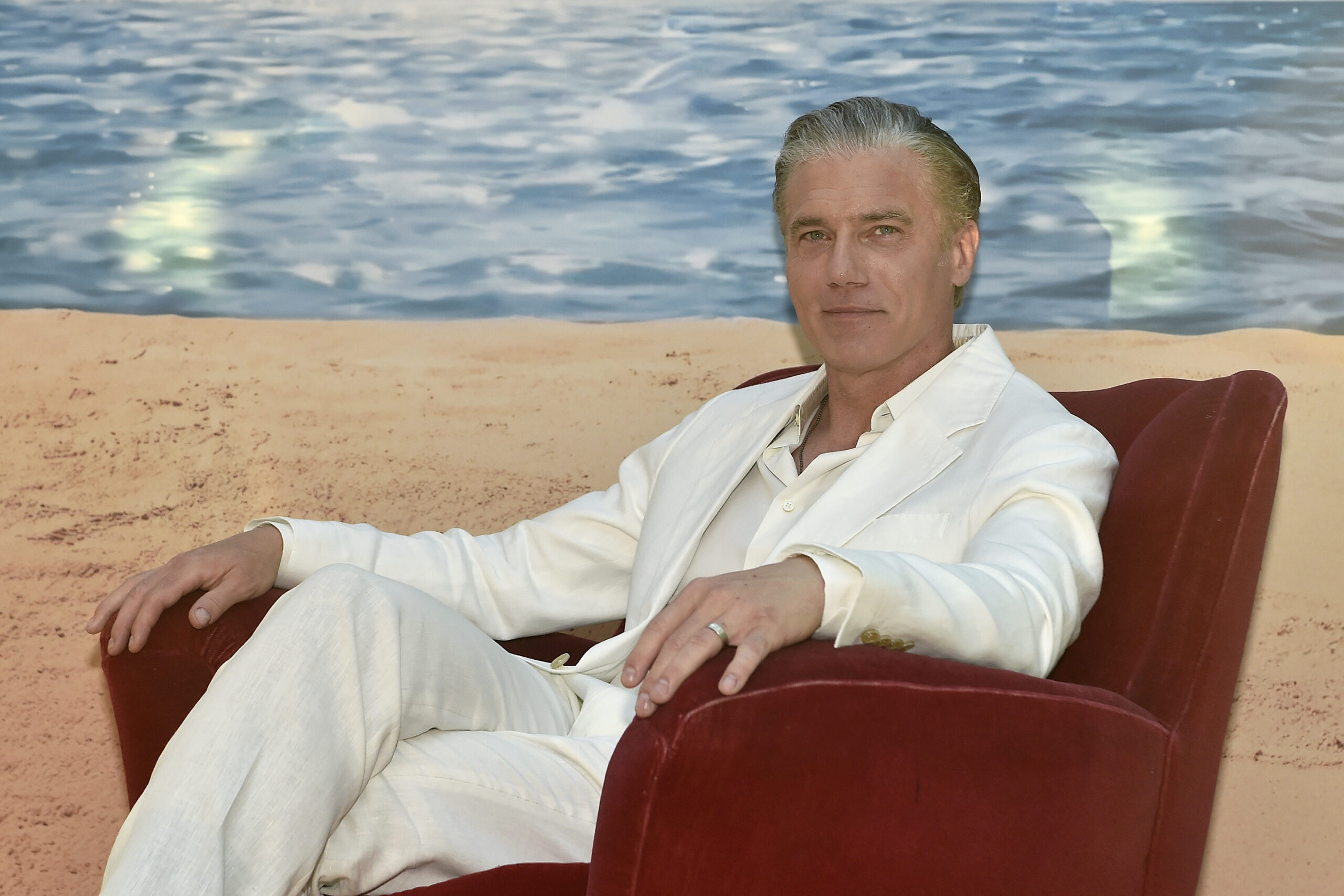
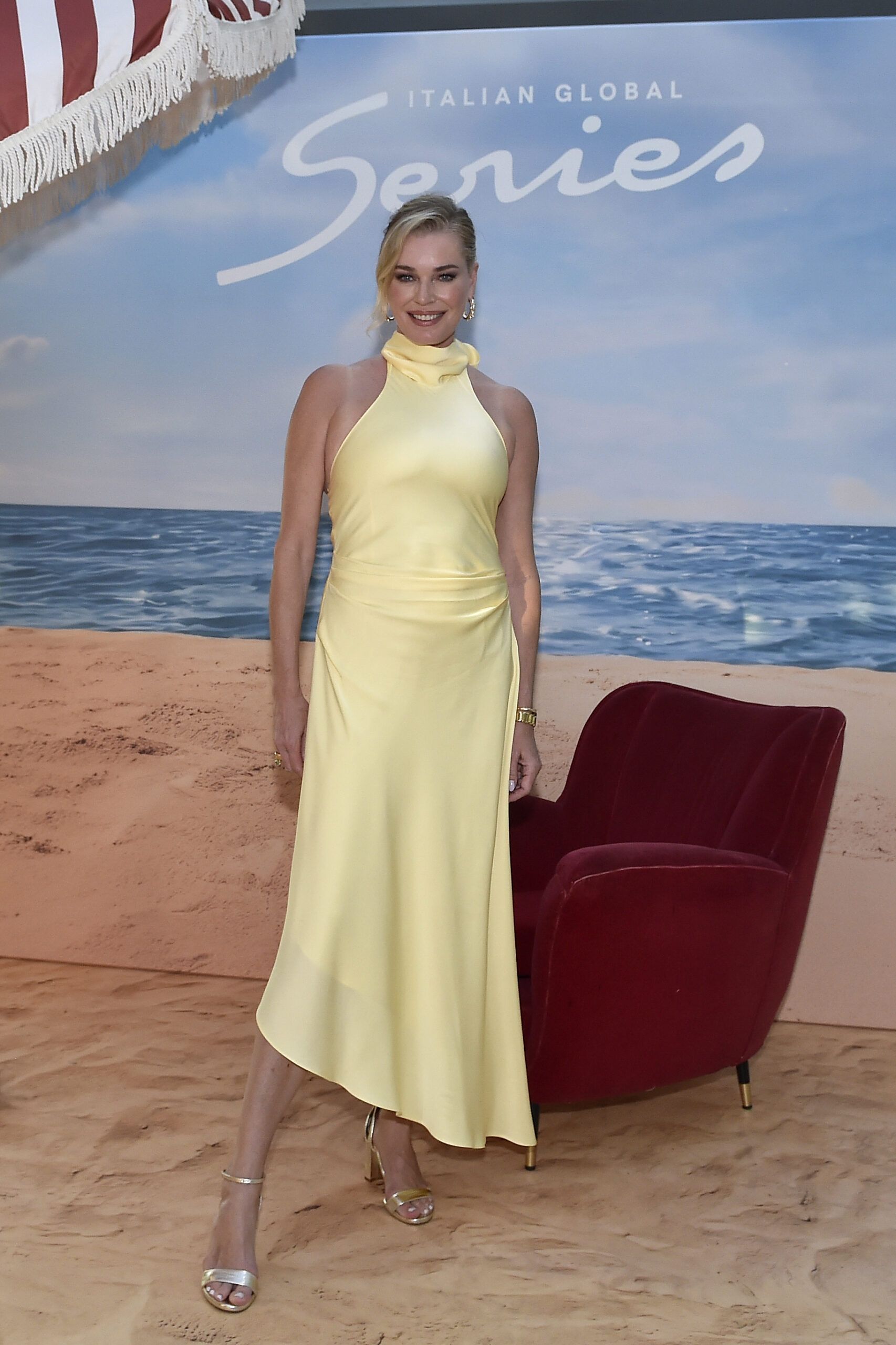
To mark the 60th anniversary of the Star Trek franchise, Rebecca Romijn, Celia Rose Gooding, and Anson Mount gathered at the IGS Festival in Rimini for a conversation. In light of this historic milestone, the cast proved remarkably chatty: the actors frequently interrupted one another, intertwined their thoughts, and even dove deeper together into the questions raised. Consequently, their responses are presented below as a collective creation of the group.
To what extent do you have to be careful when grabbing items aboard the starship Enterprise and talking about such things?
Very much so, because the demands of a highly knowledgeable audience and the “Trekkies,” who scrutinize every element in detail, are simply overwhelming. It is comparable to a medical drama, except there is no doctor or specialist by your side to break everything down for you: you have to figure it out yourself and fill it with meaning.

Getty Images for Italian Global Series Festival
What about learning foreign languages or constructed tongues like Klingon for the series?
For multilingual characters, this requires close collaboration with a dialect coach or a Klingon expert. Because Klingon is a real language with university lecturers and official courses, seasons four and five demanded hours upon hours of phonetic training sessions to hit the sounds with absolute precision.
Aside from science fiction, the series explores other genres like film noir, comedy, horror, and musicals. What is that experience like?
That is precisely the appeal of this series: crossing genre boundaries, playing with hybridization, and experimenting with the most diverse registers. Star Trek yields a lot, basically everything; it functions almost like its own genre with a foundation so solid that you can dare to incorporate musicals or puppets and put the structure to the test, knowing full well that you can always return to the baseline.
Getty Images for Italian Global Series Festival
How do showrunners Henry Alonso Myers and Akiva Goldsman handle the ideas brought forward by the ensemble?
Unlike those creative heads who limit themselves to approving or dismissing suggestions, Henry and Akiva possess a pronounced “rebel spirit” and are always on the hunt for fresh, imaginative inputs.
Which parts of the season did you enjoy shooting the most?
The Hangover-style comedy episode, which finally granted the cast a breather to celebrate and have fun, was a surefire hit on paper and generated enormous enthusiasm. Another major draw consisted of playing with contrasts: embodying a coward in a fantastic story or stepping into the role of the restrained romantic who simply wants to walk hand in hand in a light comedy.
What can be said about the philosophical foundations of this iteration of Star Trek?
The fiction picks up real-world fears and spins them further to offer everyone a panoramic perspective. Along this path, themes such as crew solidarity and the butterfly effect are addressed. The central axis consists of facing the unknown with curiosity rather than panic or confrontation, thereby nurturing essential values in new generations and honoring the legacy of predecessors like TOS and Deep Space Nine.
How does the fundamental impulse of Star Trek reflect human nature?
This touches a very deep chord of our species, that instinctive urge to discover what lies beyond the next horizon; an endeavor comparable to funding multi-billion-dollar projects like the International Space Station or the Moon landing. Originally conceived by Gene Roddenberry as a space Western, the franchise has evolved into a worldwide cultural phenomenon.
What does it mean to carry the legacy of a franchise that spans nearly a quarter of United States history (250 years)?
It is a true honor to be part of a fictional universe that has contributed to making the world a better place. Art often imitates life, as proven by milestones such as the creation of the U.S. Space Command, whose insignia features a Starfleet delta, or the iconic tricorder-inspired XPRIZE initiative.
How does Strange New Worlds balance external exploration with character development?
While Discovery was a bold exercise in serialized continuity that left little room for the classic “planet of the week” format, Strange New Worlds finds an ideal balance by portraying characters who explore the vastness of space at the beginning of their careers while simultaneously looking inward. Think of Uhura silencing her insecurities, or other crew members confronting the unsparing honesty the series demands of them.
How do you handle character arcs when the third act or destiny, as in the case of Captain Pike, is already known in advance?
To ensure the adventure retains its pulse and consequences when you already know the ending, you operate on the premise that the true destination is the journey itself. The opportunity to share all that emotional experience with Marie was an invaluable gift that completely reshaped Pike’s perspective, drawing parallels to classic gems like The Next Generation classics “Darmok” or “The Inner Light.”
What are your first memories of the Star Trek franchise?
Fugitive memories from the past include running around in movie theaters during late-night screenings that mothers had organized after a long workday, marveling at the sheer size of the ship in J. J. Abrams’ films, or nostalgically watching reruns of the classic series on local television during childhood, reliving that mythical duel where Kirk, in his chunky reptile costume, took on the Gorn.
How has the relationship with fans changed through the internet, and what is it like to interact with the “Trekkies”?
The “Trekkies” are described as a warm, lovable, and extraordinarily complicit community that feels more like a celebration of affection than the toxic environments common in other fandoms—even though the pressure remains to precisely hit the essence of already established characters. Contributions and suggestions from fans and experts alike, such as those NASA technicians who asked why the term “astronaut” is never used among the crew, ultimately feed back into the conventions and even trickle all the way into the writers’ room.
Getty Images for Italian Global Series Festival
More dropping soon! Follow on IG so you don’t miss it!