The Word “Educate” Should Be Banned in Art
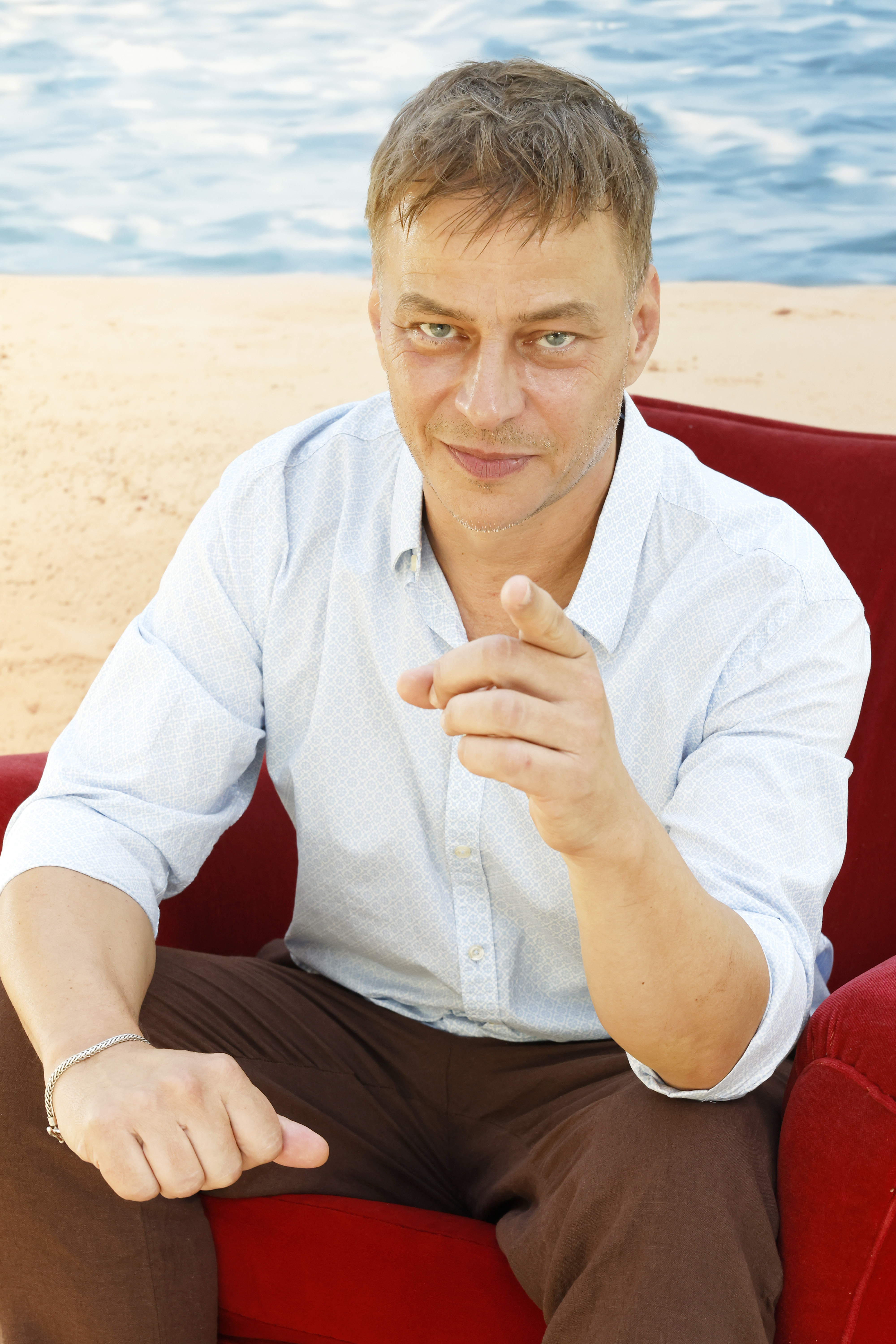
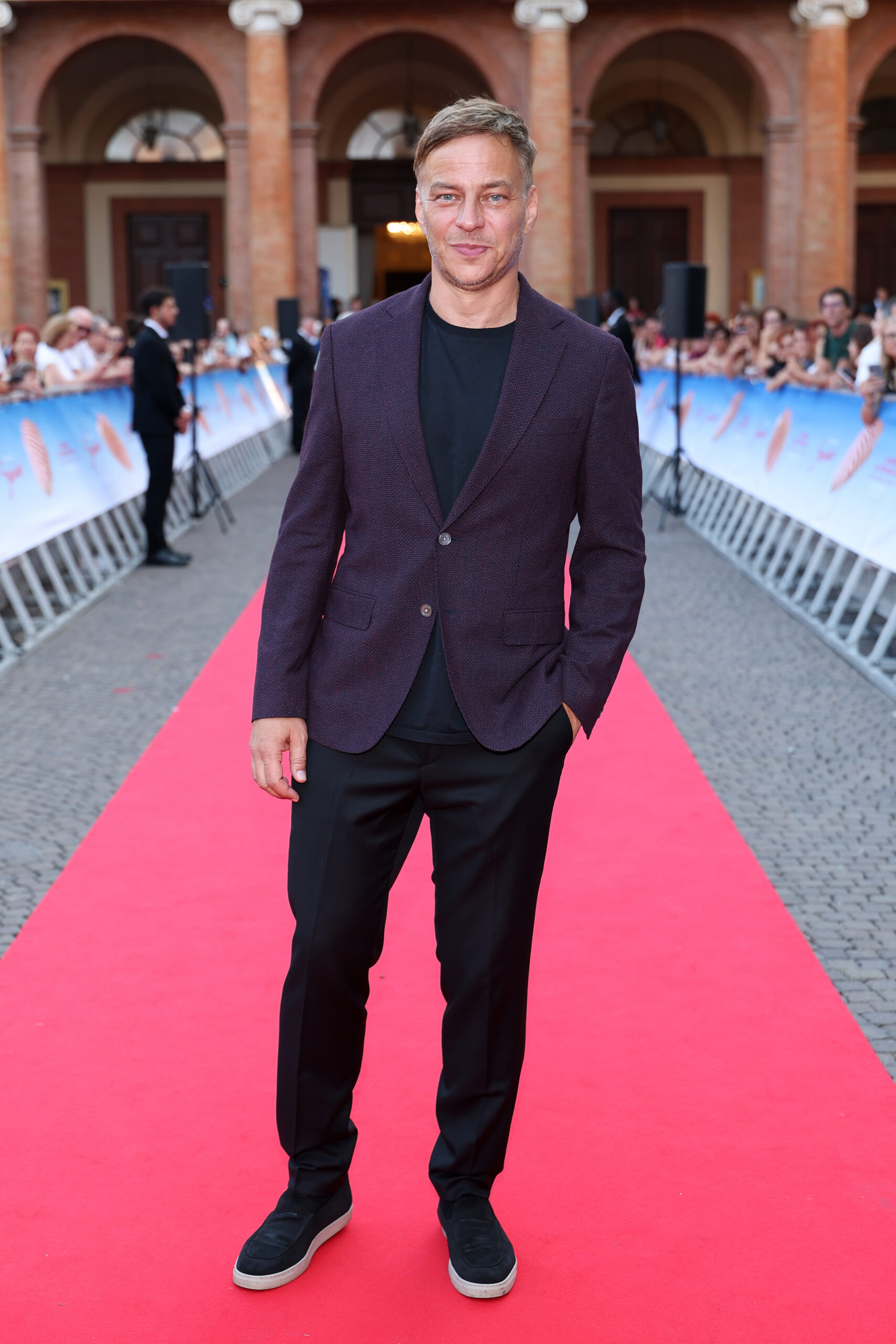
World-renowned for transforming into the master of disguise Jaqen H’ghar in Game of Thrones and guarding secrets as a Russian guard in Stranger Things, German actor Tom Wlaschiha is more than accustomed to complex characters. Between screenings at the IGS festival in Rimini, where he was serving as a jury member, I spoke with him about the task of evaluating his colleagues’ performances, his technical approach to acting, and why he believes the word “educate” should be banned in art.
What do you look for when watching a series as a jury member?
I watch the series and observe what it triggers in me; that’s actually a pretty good benchmark. It’s hard to weigh one artistic performance against another because it’s almost impossible to compare fairly. If you really wanted to do that, every actor would have to play the exact same role, and then you could see how one or the other interprets it differently. But with completely different roles, that’s difficult. You look at the big picture, is it good, is it original, has it been done a million times before, and how well is it made technically? With some, I knew after two episodes that I wanted to keep watching, even though I didn’t have the time. With others, two episodes were plenty. Probably other jury members see the exact same productions entirely differently. But you discuss it afterward, and it’s not all that hard to reach a decision.
What specifically interests you about series compared to film?
The great thing about a series is often that you have the opportunity to show a character from many different angles and develop them in a completely different way than would be possible in a ninety-minute film. I like it when the audience doesn’t know right away who a character is or what they want, when there is room to throw people off the scent and flesh out a role. That’s what I love about series, you can really sink your teeth into a character and explore them much deeper.
When you see yourself on screen, are there moments when you think, “That’s me, not the character”?
I know exactly what I’m doing on set while filming, so I don’t experience any surprises afterward. There are different approaches to acting, and I’d say mine is fairly technical; I know beforehand precisely how I want to play something. How the character speaks, how they look, how they walk, those are conscious decisions. So no, I don’t experience surprises, and no, things I might have repressed don’t surface through different characters. That doesn’t happen to me.
In your view, should a good series entertain, distract from reality, or perhaps teach something?
„Educate” is a terrible word when it comes to art. Honestly, it should be banned. Art is supposed to trigger something in the audience: emotions. At best, it’s supposed to entertain, and I by no means think that “entertainment” is a derogatory term; we make entertainment, and I think it’s completely fine if a series is simply fun and offers a distraction from everyday life. If other layers emerge from that, perfect, perhaps food for thought, but please, no education.
Do you have a favorite type of role?
Not really. As an actor, you try your best not to get pigeonholed, but often you get offered the exact same things after a success. I try to make sure I play reasonably varied things, so I don’t get bored. But I don’t have a preferred type of role.
What makes you say yes or no when you get your hands on a script?
I know that pretty quickly. I like complex characters; life isn’t black and white, and unfortunately, there are very few scripts with dialogue good enough to feel while reading that the characters are truly alive and not just templates. That’s my most important selection criterion.
Have you ever changed a character during filming, had a say in the process, or brought in a perspective that wasn’t originally intended?
That happens automatically. When you’re hired as an actor for a role, you naturally bring a lot of yourself to it. Every director welcomes suggestions or different interpretations for certain things. Of course, I don’t turn a murderer into an innocent character afterward if the script dictates something else, but within a character, you can bring a lot of yourself in, always in consultation with direction and production.
Many people in your industry are afraid of artificial intelligence. Do you fear it?
Not at all. Besides, the whole debate is a bit dry, because whatever is invented and where AI makes great strides will end up being used anyway; so, it’s about steering it in a meaningful direction. I know others see it differently, but I don’t think artificial intelligence will ever be able to replace human reactivity and spontaneity. I might be wrong, but I hope it doesn’t catch up to me before my retirement.
What do festivals like this mean to you as places for making connections?
Festivals are the ultimate spot for networking, and the entire film industry is built on relationships and connections. No project ever gets off the ground without people having spent years beforehand cultivating those ties. A movie is always the result of long-term collaborations and partnerships, and people often don’t realize everything that has to happen behind the scenes just to turn a film into reality.
You visited the Fellini Museum here in Rimini. Did Fellini inspire you?
Fellini is one of the greatest directors of the past century. I’ve been to Rimini and the surrounding area many times before, and the museum recently reopened. It’s a wonderful space because it takes a truly immersive approach: as a visitor, you can walk right in and basically step inside Fellini’s films. You get to see how they were shot, the tricks they used, and the whole atmosphere is just gorgeous.
Is it true that you originally wanted to be a pianist and that cinema didn’t play a role in your childhood plans?
I studied the piano, but I was never good enough for it to be a serious career option. And it’s true, growing up I never thought about movies; when I decided to become an actor, I wanted to do theater. I didn’t start acting in films until about seven years after I finished drama school. Cinema wasn’t my primary reference point growing up, and the same goes for digital noise today. Even though I have Instagram, I notice how much time it sucks up, so I try to keep my usage to a bare minimum just to stay grounded in real life.
#TomWlaschiha #Italianglobalseries #GameOfThrones #StrangerThings #ArtAndEducation #CreativeFreedom #ActingTechnique #FilmFestival #LianeStröbel #Voices&Vision
Tom Wlaschiha, Interview, IGS Festival, Game of Thrones, Stranger Things, Das Boot, Acting Technique, Art and Education, Creative Freedom, Film Festival, Fellini Museum, Liane Ströbel, Voices&Visions
More dropping soon! Follow on IG so you don’t miss it!