
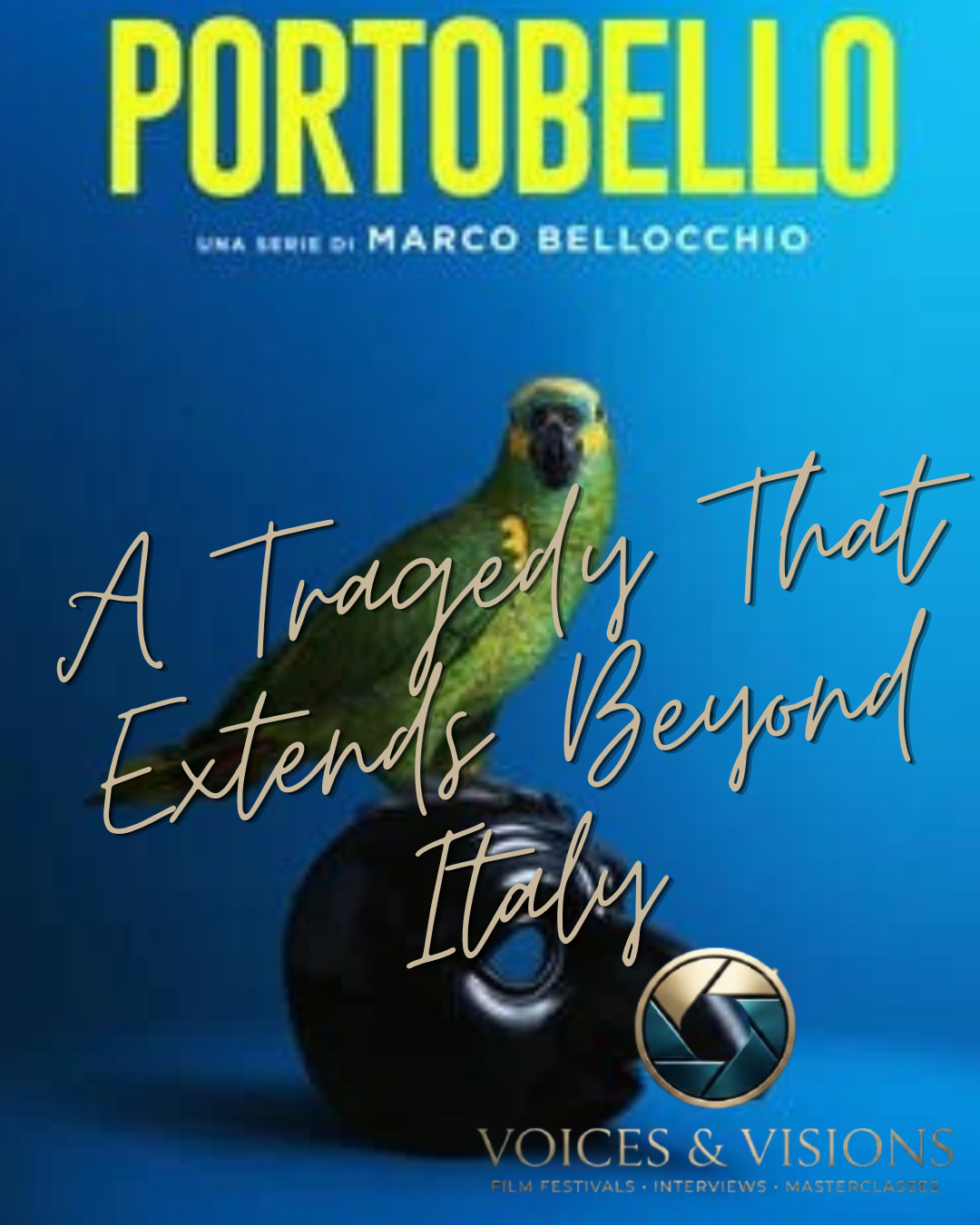
A Tragedy That Extends Beyond Italy
In Venice, I spoke with director Marco Bellocchio and lead actor Fabrizio Gifuni about the series Portobello and the case of Enzo Tortora.
What attracted you to this story, and how did you find the balance between historical events and fiction?
Marco Bellocchio: The story is dense and rich in events. It immediately became clear to us that it was impossible to squeeze this material into a single film; it required the format of a six-part series. The biggest challenge, both in the scriptwriting and the editing, was filtering out the exact points, episodes, and characters that encapsulate the significance of this drama most powerfully.
We had to work with time jumps while simultaneously maintaining a simple, clear narrative thread. The core of this story is an innocent man who is only recognized as innocent at the very end, and dies precisely as a result of this tragedy. Furthermore, it turns out that the series resonates with an interest stretching far beyond Italy. While that wasn’t a pure marketing ambition, it is an important point: telling a story whose meaning is universal rather than confined solely to Italy.
Enzo Tortora was an extremely complex and contradictory personality. What was the greatest difficulty in portraying him?
Fabrizio Gifuni: Enzo Tortora was a popular showbusiness personality, beloved by millions of television viewers. Yet when he was arrested and this nightmare began, one that basically any person could fall into, part of Italy suddenly turned against him.
We asked ourselves intensively how much of this hostile reaction was due to his character, which wasn’t always conventional or easy to warm to his clear, hard political positions. For me, those were the two sides of this figure: on one hand, the celebrated, great public persona; on the other, a man torn apart by a merciless machinery. The series gives us and the audience the opportunity to dive into the human depths of this case, something a standard feature film could never have achieved.
What long-term aftermath did the Tortora case have on the judiciary and politics in Italy?
Marco Bellocchio: A central issue demanded after the Tortora case, notably by the Radical Party, was the civil liability of judges. In reality, however, this law was largely devalued: while judges today formally bear a different responsibility than back then, tragically that has not prevented severe judicial errors from continuing to occur.
To this day, judicial reforms are fiercely debated in Italy, such as the separation of career paths for prosecutors and judges. The judiciary remains skeptical of such reforms because it fears that politics might gain too much influence over the prosecution.
However, the greatest and most important systemic change following the Tortora case was the reform of the Code of Criminal Procedure in 1988 (Vassalli Code). Back then, during the investigations against Tortora, the defendant and his lawyers knew almost nothing during pretrial detention, it was straight out of a Franz Kafka novel: when you asked for evidence, the response was that it wasn’t yet time to see it. Only through the reforms resulting from this judicial scandal were fundamental defense guarantees created to prevent such a nightmare from repeating itself in that manner.
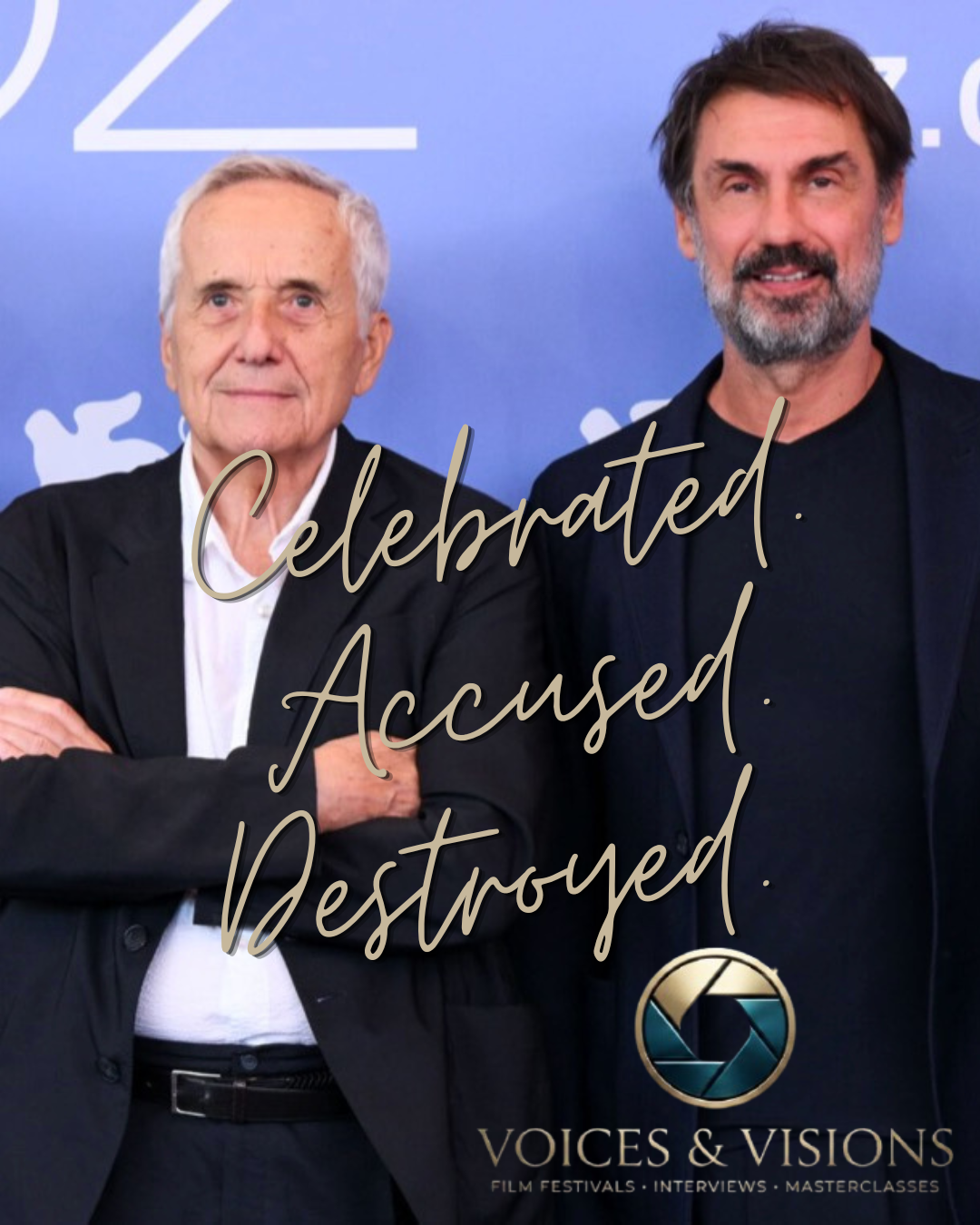
For context, here is a brief review based on the first two episodes of the series, which I was able to view during the Venice Film Festival:
Portobello: When Justice Fails and the Media Judges
Portobello is a harrowing, brilliantly staged drama about the case of Enzo Tortora, demonstrating how the failure of the judiciary and the media can destroy a human life. The series tells the true story of the famous Italian television host who was falsely accused in 1983 of collaborating with the Neapolitan Camorra.
Tortora is pursued not only by the justice system but also by the sensationalism of the media, which drags his case into the headlines and turns him into a target of public outrage. Fabrizio Gifuni portrays Tortora with immense nuance, shifting between anger, despair, and stoic persistence. Director Marco Bellocchio draws the audience into the entanglements of a system built upon false testimonies and institutional powerlessness. Already in the first two episodes, an oppressive sense of human vulnerability and systemic weakness takes hold.
Beyond its historical dimension, Portobello is an astute social reflection. The case of Tortora highlights the necessity of meticulous justice, responsible reporting, and a critical public to prevent judicial errors and media hysteria. In an era where hasty judgments and sensationalism are omnipresent, the series remains highly relevant, a warning to protect human rights and limit the power of public opinion.
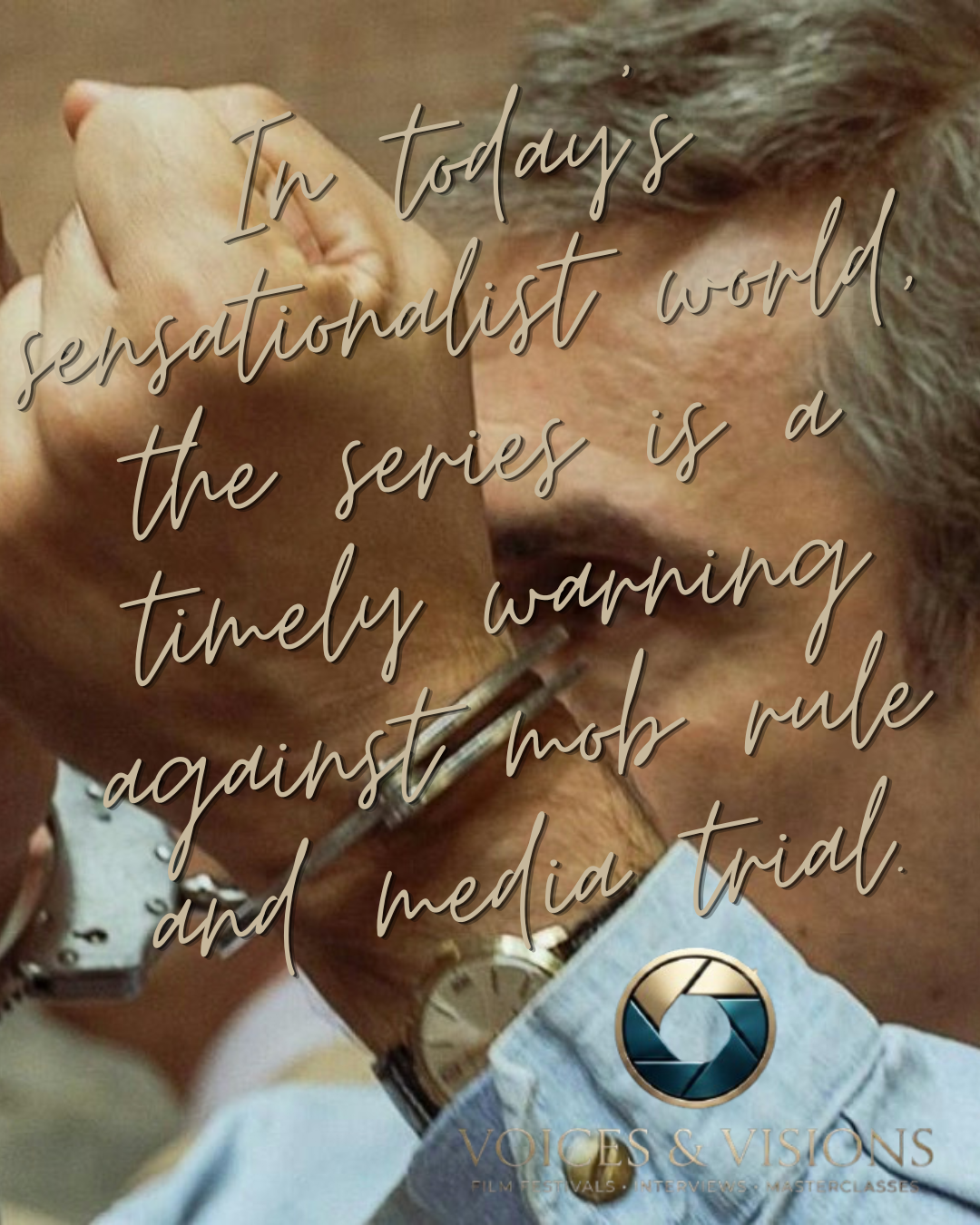
Celebrated. Accused. Destroyed. The tragic story of Enzo Tortora.
#MarcoBellocchio #FabrizioGifuni #EnzoTortora #DirectorInterview #ActorInterview #BehindTheScenes #FilmDialogue #TrueStory #EnzoTortoraCase #MiscarriageOfJustice #MediaSensationalism #MediaEthics #HumanRights #ItalianCinema#ItalianHistory
More dropping soon! Follow on IG so you don’t miss it!