When Fiction Influences Global Politics
Every now and then, pop culture reaches out and grabs reality by the collar. Nicholas Meyer’s 1983 TV film The Day After is a prime example. By broadcasting the unfiltered terrors of a nuclear war straight into millions of living rooms, it left Ronald Reagan so shaken that historians credit the film with helping restart the nuclear dialogue with the Soviet Union. Back then, fiction was a blunt political instrument. Today, the friction between invented worlds and actual events has shifted entirely, driven by digital upheaval.
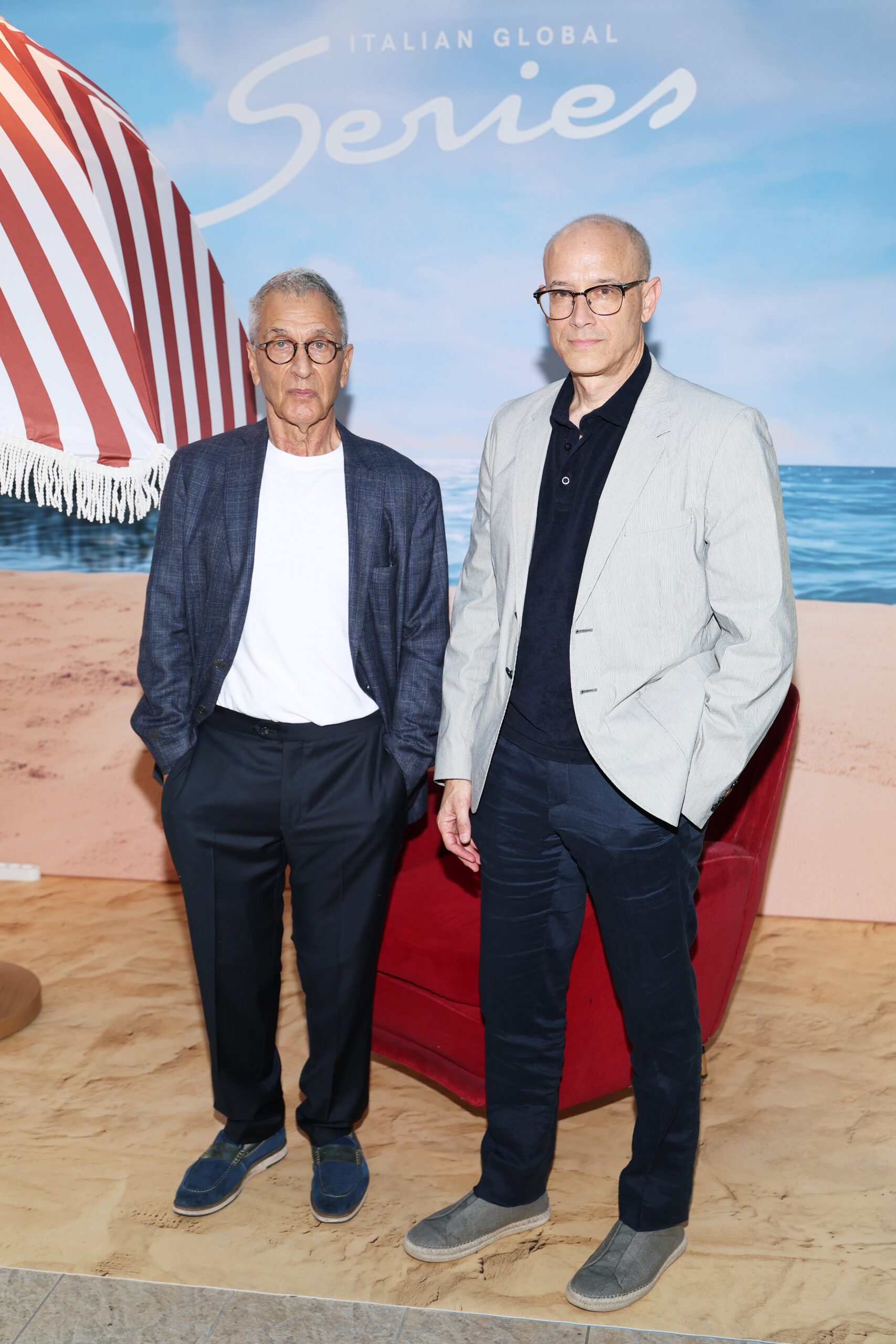
During a masterclass at the IGS Festival in Rimini-Riccione, industry heavyweights like Nicholas Meyer (Star Trek, Sherlock Holmes) and producer David W. Zucker (The Man in the High Castle, The Good Wife) delved into the mechanics of modern storytelling, the struggle of maintaining longevity in a hyperfast media landscape, and how digital sensory overload threatens the craft at its core.
How do you build worlds that are already etched into the collective memory?
For Nicholas Meyer, the trick isn’t slavishly giving audiences what they think they want; it’s sticking to your guns. When he was first handed the Star Trek franchise, he barely knew the series. His breakthrough came by anchoring the sci-fi elements in something raw and recognizable: he reframed it as a naval adventure in the style of C.S. Forester’s Hornblower, just set in space. By intentionally shrinking the scale, swapping clean, sterile sets for a claustrophobic, working-ship atmosphere, he made the universe feel lived-in and real.
It’s a similar playbook for legacy projects like Blade Runner 2099, Alien, or The Man in the High Castle, where David Zucker and his teams inherit established worlds. The guiding compass in that process is always emotional resonance. Even when a story leans into dystopian tropes, like AI taking over or tech monopolies running wild, the anchor has to remain an intimate human struggle. The goal is to make those real-world parallels tangible without devolving into cheap shock value.
How has the ground shifted?
Long-form storytelling is under siege, and the culprits are easy to name. Smartphones and constant digital noise have rewired how we pay attention. Between quick messaging, endless vertical video feeds, and non-stop notifications, our concentration is chopped to pieces.
Nicholas Meyer compares the effect to sci-fi scenarios where signal jammers disrupt clear communication, only here, it’s the human brain that gets scrambled.
The social fallout is hard to miss. According to the veterans, social media has fractured the public square into isolated echo chambers where anonymity breeds cyberbullying and reasoned debate goes out the window. When arguments are reduced to snappy headlines and algorithms, the capacity for genuine, physical engagement withers. Unsurprisingly, that loss has bled straight into writing rooms and film schools.
Is the end near?
Despite the gloomy outlook, the creatives argue for an optimistic alternative. You can’t permanently digitize away the human hunger for shared, undivided experiences. When people pack into a dark cinema or lock into a powerful story together, they are sharing something real and collective.
That kind of human gathering remains the best antidote to online isolation. Storytelling isn’t just an aesthetic trick; it’s the social glue we desperately need when society splinters into diverging worlds.
How fiction impacts world politics, why sensory overload puts storytelling at risk, and how stories act as the social glue for a polarized society.
#NicholasMeyer #DavidWZucker #Storytelling #PopCulture #MediaLandscape #Culture #CreativeIndustry
More dropping soon! Follow on IG so you don’t miss it!